

Panna Tiger Reserve: A Conservation Journey from Local Extinction to Global Recognition
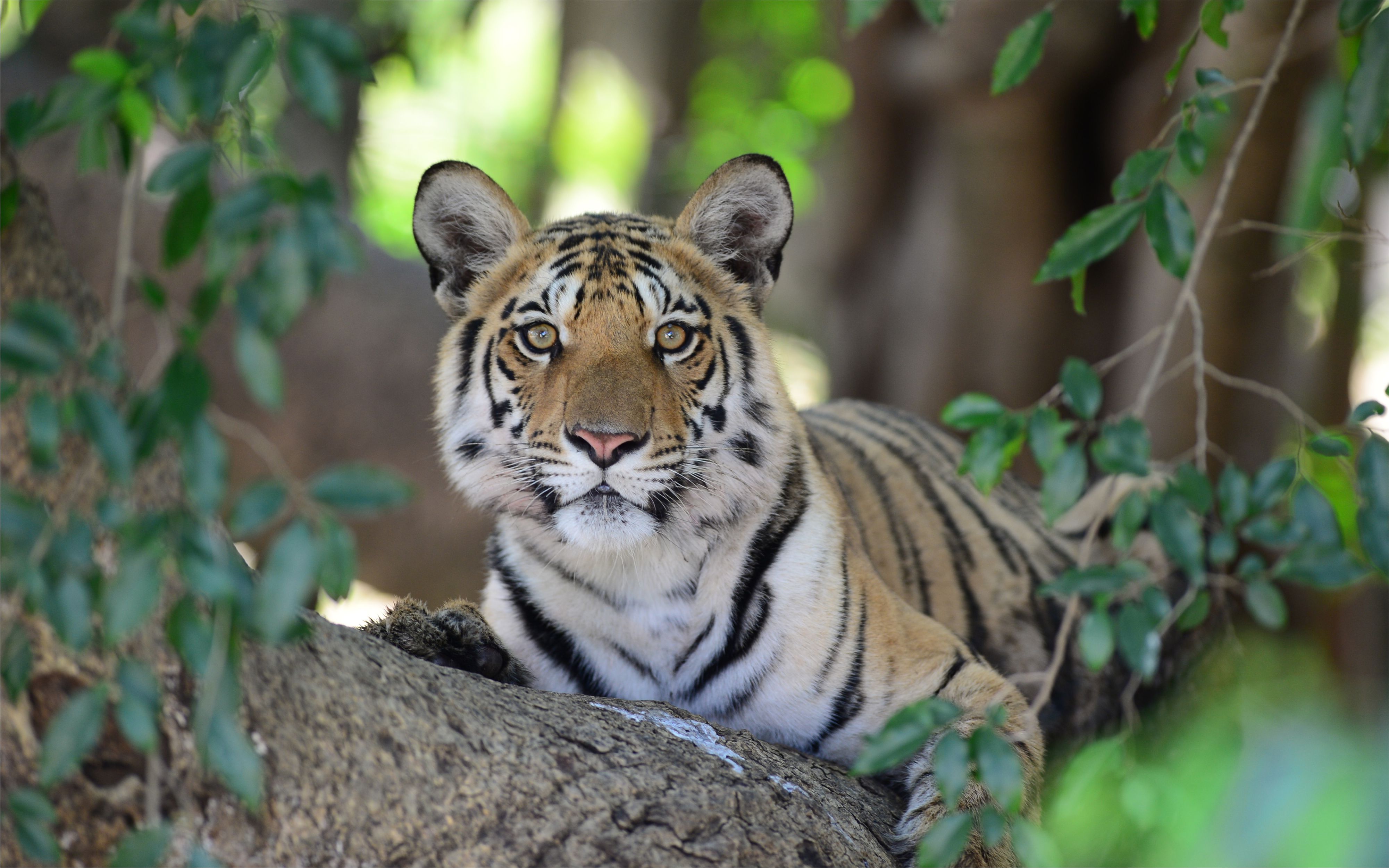
The Royal Bengal Tiger at the Panna Tiger Reserve
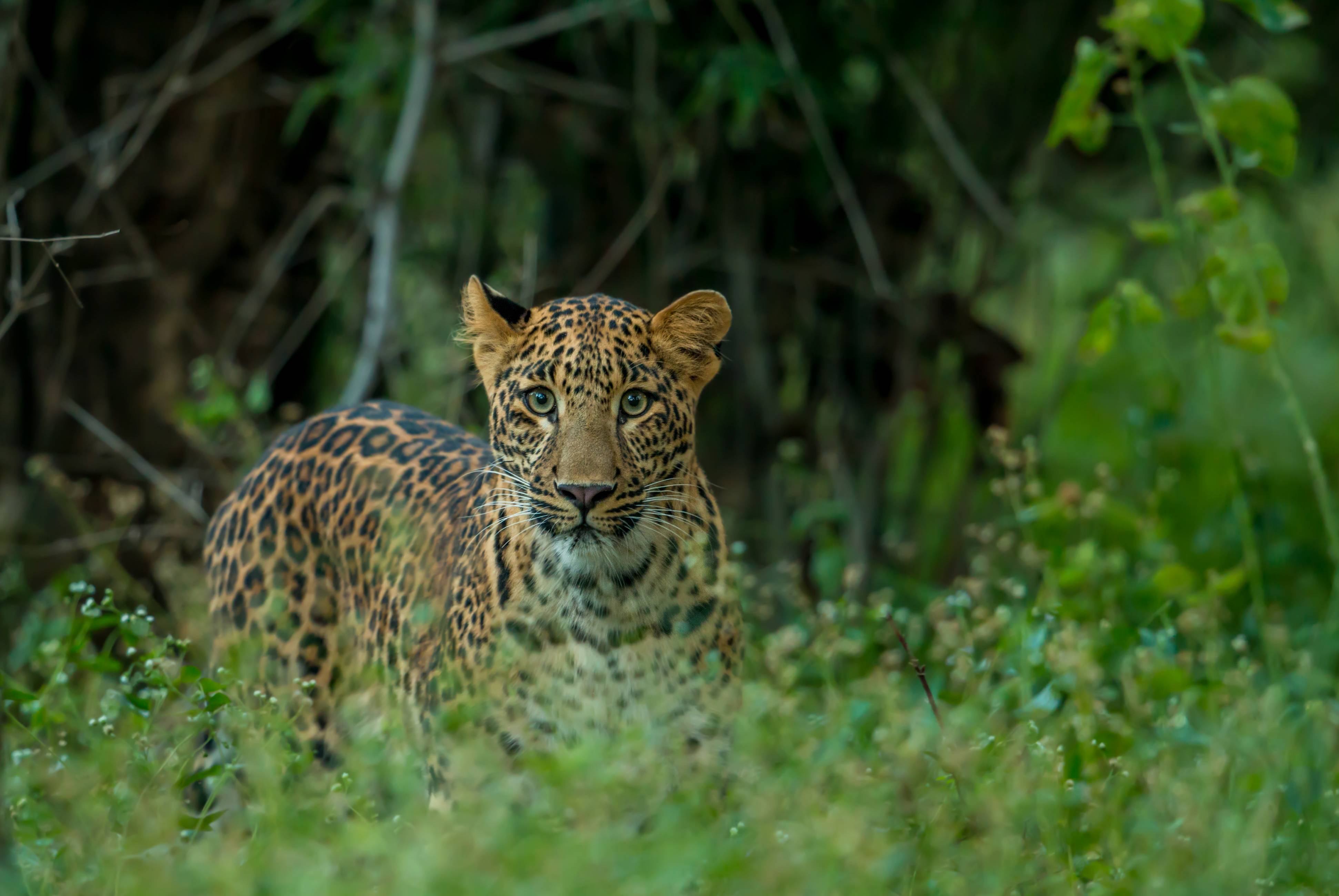
A mesmerizing sighting of a leopard at Panna Tiger Reserve
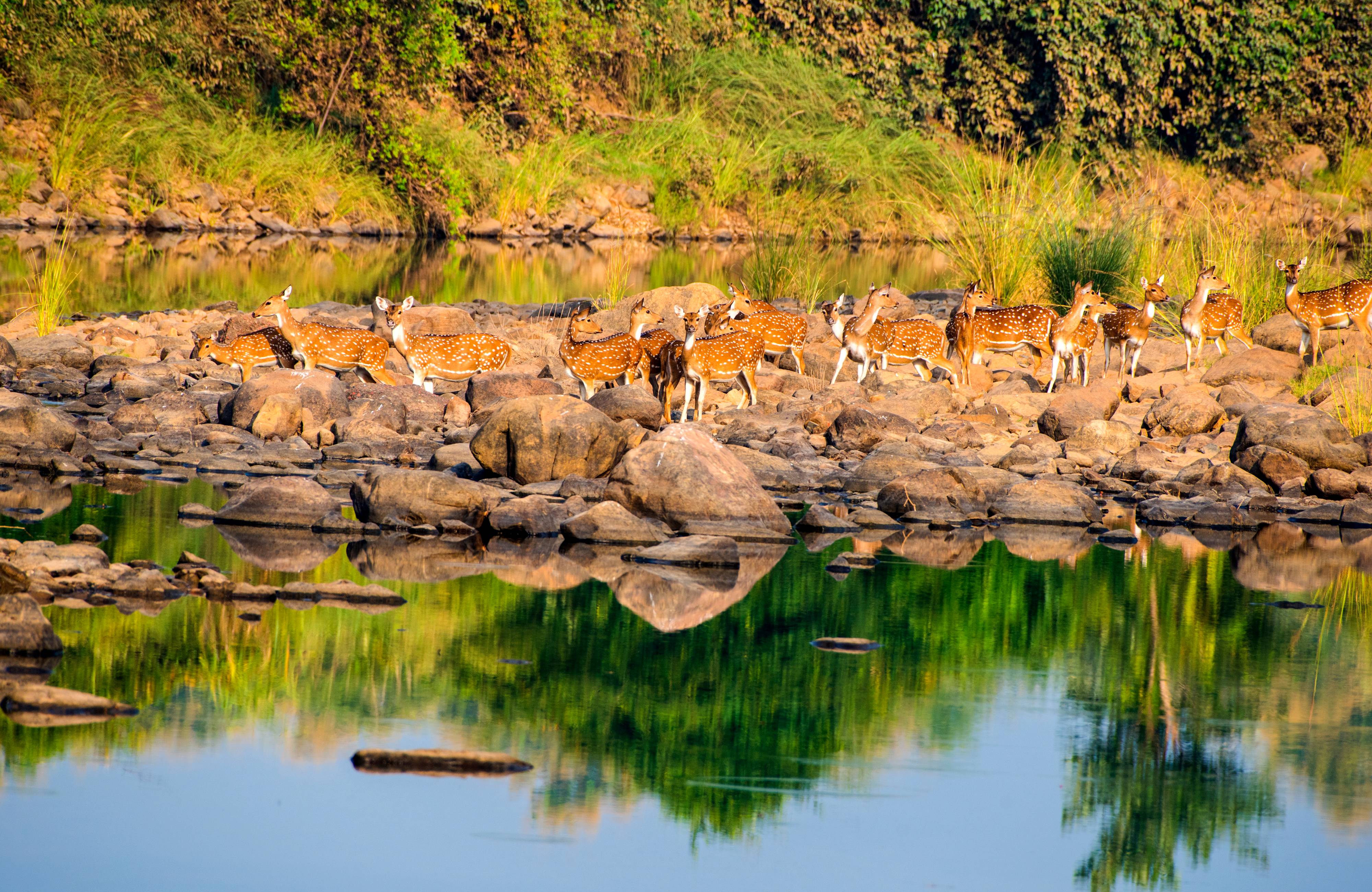
Herd of deer's at Panna National Park
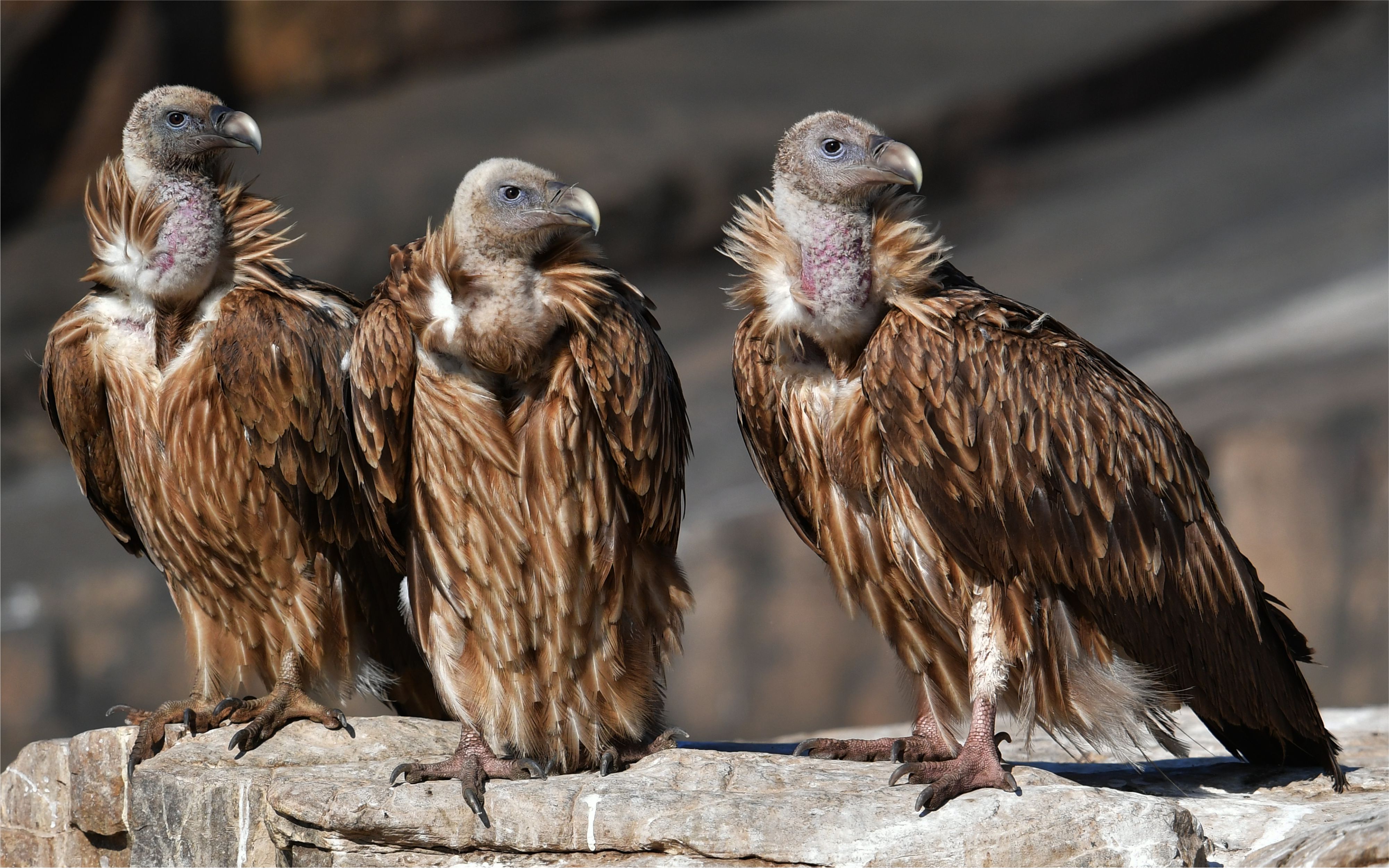
Vultures at Panna Tiger Reserve
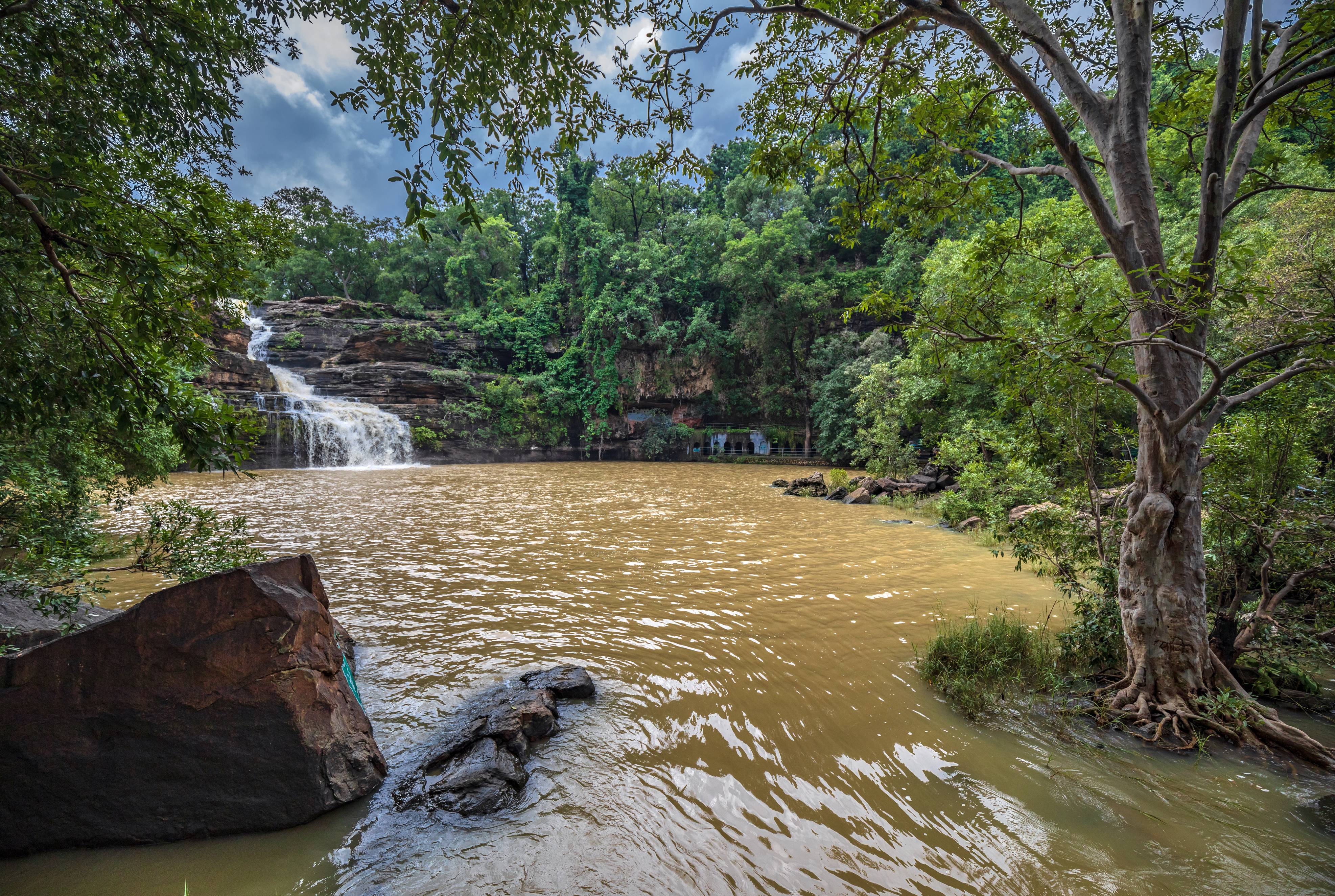
Pandav Falls - Panna District
From zero tigers to a UNESCO Biosphere Reserve, Panna’s remarkable revival has become a global benchmark for large carnivore restoration.
BHOPAL, MADHYA PRADESH, INDIA, June 12, 2026 /EINPresswire.com/ -- Few wildlife conservation stories in recent decades are as compelling as the revival of Panna Tiger Reserve in Madhya Pradesh. Once a landscape that had lost its entire tiger population to poaching, Panna today stands as a thriving tiger habitat and an internationally recognized conservation success. Its transformation from ecological collapse to recovery offers a powerful example of how science-based management, institutional commitment, and community participation can reverse even the most severe conservation setbacks.Nestled across the Panna and Chhatarpur districts in the northern reaches of the Vindhya mountain range, Panna was established as a national park in 1981 and was designated India’s 22nd Tiger Reserve under Project Tiger in 1994. However, during the late 1990s and early 2000s, relentless poaching, inadequate protection measures, and increasing habitat pressures triggered a steady decline in its tiger population. By 2009, the reserve had lost all its tigers, drawing national concern and prompting urgent intervention from conservation authorities.
In response, an ambitious Tiger Reintroduction Program was launched in 2009 under the joint leadership of the National Tiger Conservation Authority (NTCA), the Madhya Pradesh Forest Department, and the Wildlife Institute of India. The program began with the translocation of two female tigers from Bandhavgarh and Kanha Tiger Reserves, followed by a male tiger from Pench Tiger Reserve later that year. Carefully selected to ensure genetic diversity, the relocated animals were fitted with radio collars, allowing scientists to monitor their movements and adaptation in real time.
The results were encouraging. In late 2010, the first litter of cubs born to the reintroduced population was recorded, confirming that the tigers had successfully adapted to their new environment and begun breeding naturally. Over the following decade, more than twenty tigers were radio-collared as part of one of India’s most closely monitored wildlife recovery programs.
The success of the initiative, however, extended far beyond translocation. Habitat restoration, prey-base enhancement, and strengthened protection measures were implemented simultaneously. Villages were voluntarily relocated from the reserve’s core areas, reducing human-wildlife conflict and easing pressure on critical habitats. Community engagement programs brought local residents into the conservation process, while specialized anti-poaching units, increased forest guard deployment, and aerial surveillance significantly strengthened protection efforts. Together, these interventions created the foundation for long-term ecological recovery.
By 2020, Panna’s tiger population had rebounded to more than fifty individuals, establishing the reserve as one of Central India’s most productive tiger landscapes. The same year, its conservation achievements received international recognition when UNESCO’s Man and the Biosphere Program included Panna in the World Network of Biosphere Reserves. It became the third site in Madhya Pradesh, after Pachmarhi and Amarkantak, to receive this prestigious designation.
UNESCO’s recognition reflected not only the resurgence of the tiger population but also the ecological richness of the broader Ken River landscape. Flowing through the reserve, the Ken is among the least polluted tributaries of the Yamuna and supports a remarkable diversity of flora and fauna. Panna also possesses deep historical significance, with evidence of Neolithic-era human settlements discovered within its boundaries, highlighting the region’s long association with both nature and human civilization.
The conservation story extends beyond the reserve itself. On the banks of the Ken River lies Madla, a village that has emerged as a notable example of community-led rural tourism. In 2023, Madla was inducted into the United Nations World Tourism Organization’s Best Tourism Villages Network through its Upgrade Program, earning international recognition for its commitment to sustainable tourism. The same year, it received the Gold Category Award in India’s Ministry of Tourism Best Tourism Village Competition, selected from among 795 villages across 36 states and union territories.
Today, Madla offers visitors authentic homestay experiences, traditional local cuisine, cultural interactions, and easy access to Panna’s wildlife-rich landscapes. Its success demonstrates how conservation and community livelihoods can reinforce one another, creating sustainable economic opportunities while strengthening support for environmental protection.
Perhaps the most significant lesson from Panna’s recovery is that local extinction need not be permanent. Beginning with just three translocated tigers, the reserve has nurtured a population that now disperses beyond its boundaries into adjoining forest corridors, including landscapes connected to the Chitrakoot forests of Uttar Pradesh. Wildlife managers regard this expansion as a strong indicator of a healthy and growing population that has reached, and in some areas exceeded, the reserve’s carrying capacity.
The scale of this recovery was further documented in a 2024 peer-reviewed study published in Ecological Solutions and Evidence. Researchers reported that since the reintroduction program began in 2009, eighteen female tigers had produced 120 cubs across 45 litters, providing one of the most detailed demographic records of large carnivore recovery anywhere in Asia.
Today, Panna Tiger Reserve stands not merely as a protected area but as a living demonstration of what determined conservation action can achieve. Its journey—from the loss of every tiger to the establishment of a flourishing population and international recognition—has become a model for wildlife restoration efforts across South and Southeast Asia. Equally important, it offers a reminder that conservation success is not simply about protecting a species, but about restoring entire ecosystems and building partnerships between people and nature that can endure for generations.
ZM
Madhya Pradesh Tourism Board
email us here
Visit us on social media:
LinkedIn
Instagram
Facebook
YouTube
X
Panna Tiger Reserve | Panna National Park | Madhya Pradesh Tourism
Legal Disclaimer:
EIN Presswire provides this news content "as is" without warranty of any kind. We do not accept any responsibility or liability for the accuracy, content, images, videos, licenses, completeness, legality, or reliability of the information contained in this article. If you have any complaints or copyright issues related to this article, kindly contact the author above.
